How-to
6
min read
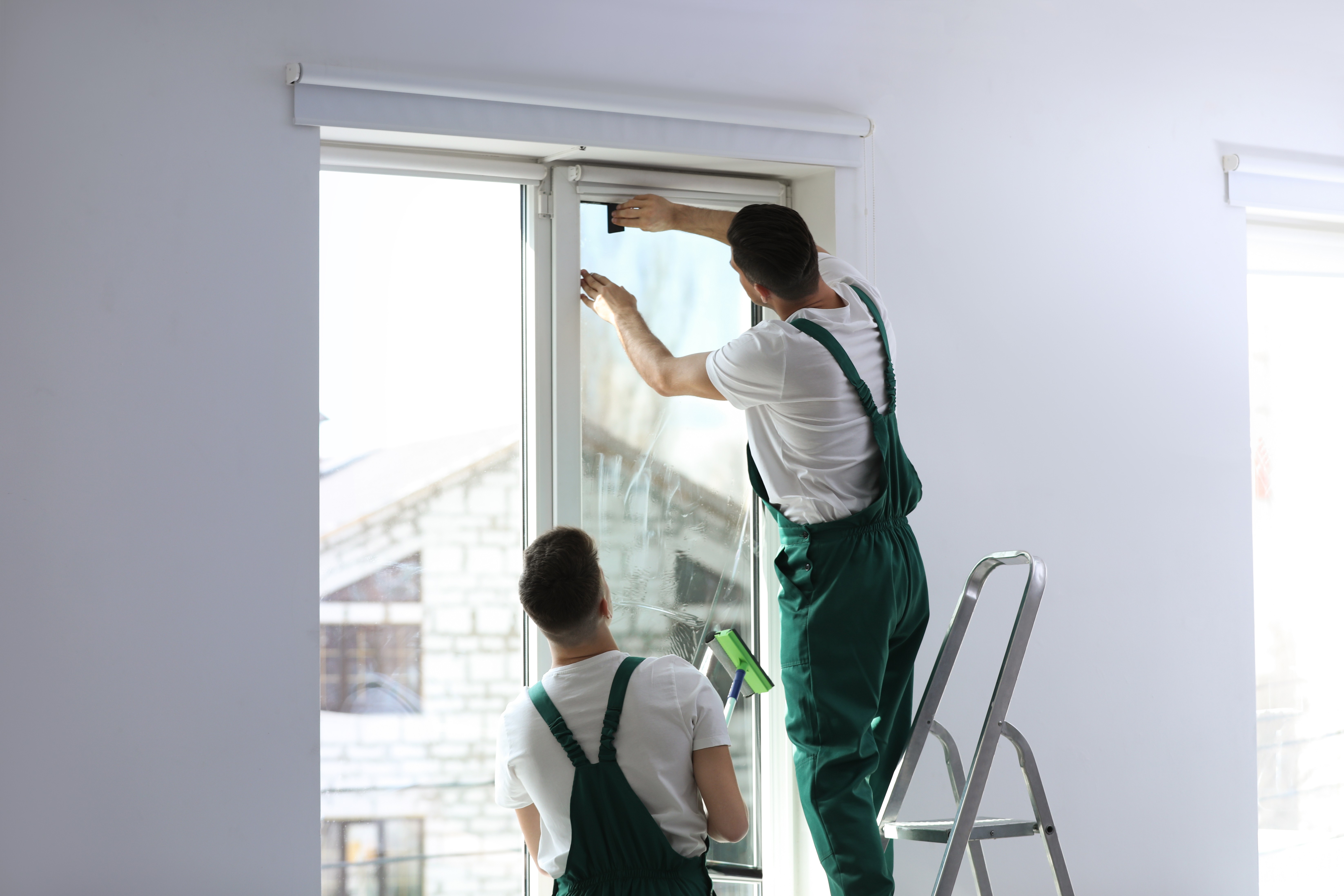
Smart glass and smart film deliver their full value only when they are installed right. A small slip on site, such as the wrong silicone, an exposed wire or a clear strip at the edge, can spoil a premium result.
Here are three tips from our factory team for film installers, glaziers and project managers.
1. Choose the Right Installer for the Job
Installing smart glass and installing smart film are two different jobs, and each needs its own skills.
Installing Smart Glass
Installing smart glass is much like installing any other glass. The installer must bring the panel to its place without damage, use proper frames and set the glass in them. Smart glass panels can differ in several ways:
Tempered (toughened) or not tempered
Thickness: 4+4, 5+5, 6+6 or 5+7 mm
Clear glass (usually with a slight green tint) or extra clear glass (no green or yellow tint)
Wires coming out of one or two edges, to be connected to a transformer
With or without cuts and holes
Edges framed with silicone protection against humidity
What the glass installer should watch:
Use acid-free neutral silicone only
Have a qualified electrician connect the wires to the transformer
Add a remote control or wall switch if needed

Installing Adhesive Smart Film
Applying adhesive smart film to existing glass takes experience. Small pieces are easy. Large sheets are a different story.
PDLC adhesive film leaves no room for mistakes. It arrives with electrodes and wires already attached, so there is one shot to place it. Unlike decorative films that are applied with water, PDLC film is a dry application. The goal is to place it fast, straight and with no bubbles.
What the film installer should watch:
Read our Installation Guide before you start
Clean the glass very well: about two thirds of the installation time should go to cleaning
Use acid-free neutral silicone at the edges
Have a qualified electrician connect the wires to the transformer and add a remote control if needed
Wiring is a job of its own, covered in how to connect smart glass to power. Installers who want to grow can read how to start your own smart film business.
2. Use the Right Hinge for Smart Glass Doors
A smart glass door needs power, and power means wires. On a pivot door, standard hinges leave the cable exposed or pinched. Our Special Smart Glass Hinge solves this with a built-in channel that routes the wiring through the hinge itself, so the cable stays completely hidden.

Why This Hinge Is Different
The hinge is made for smart glass doors only, not for smart film. Internal channels guide the cable safely through the mechanism with no pressure points, pinching or wear. A dedicated cable entry leads the wiring invisibly into the glass panel.
Engineered Into the Glass
Each panel is cut to the hinge drawings before lamination. This gives a perfect fit and keeps the full strength of the laminated glass. It matters most in hotel bathrooms and homes, where nobody wants to see a wire.
Made for Pivot Doors, Supplied With the Glass
The hinge was developed for pivot doors, not sliding doors. For sliding systems, see sliding door systems with smart glass. The hinge is supplied together with the smart glass panel, so hinge and glass fit each other right out of the box.

Key Advantages
Hidden wiring: cables pass through the hinge and stay out of sight
Safe cable path: no pinching or wear on the wires
Precise fit: glass is cut to the hinge drawings before lamination
Strong build: engineered for pivot doors
One delivery: hinge and glass arrive together, ready to install
3. Bathrooms: Plan for Privacy Without Gaps
In a bathroom, privacy has to be complete. A thin clear strip at the edge of a panel or between two panels is enough to spoil it. Most gaps come from planning, not from the glass itself.
Hide the edge margin: in laminated smart glass the film stops a few millimeters short of the glass edge so the edge can be sealed. Place this margin inside the frame, profile or channel.
Plan the joints: where two panels meet, use a profile or an overlap so no clear line is left between them. Check door gaps too, between the door and the fixed panel or the wall.
Avoid very narrow panels: narrow strips are harder to produce with full film coverage. Join them to a wider panel where you can.
Switch all panels together: wire all panels of one room to the same controller so no panel stays clear by mistake.
Use laminated glass in wet areas: showers and bathrooms need laminated smart glass with sealed edges. Adhesive film belongs in dry areas.

Send us a drawing of the bathroom before you order and we will mark the edges, joints and doors where a gap could appear. For design ideas, see smart glass partitions in bathrooms and hotel rooms and smart glass for showers.
Before You Install
Choosing the build comes first, so read our 7 tips before you order smart glass. Then contact us with your sizes and we will help you plan the installation.
FAQ
Who should install smart glass?
A professional glazier who handles glass and frames, together with a qualified electrician for the wiring and transformer.
Can anyone install PDLC adhesive smart film?
It is best left to trained film installers. The film arrives with wires attached and is applied dry, so there is one chance to place it without bubbles.
Which silicone should be used with smart glass?
Acid-free neutral silicone only. Acidic silicone can damage the smart film at the edges.
Can the Special Smart Glass Hinge be used on sliding doors?
No. It was developed for pivot doors and is supplied together with the smart glass panel.
How do I avoid privacy gaps in a smart glass bathroom?
Hide the film margin inside the frame, plan joints and door gaps, avoid very narrow panels and switch all panels from the same controller.
Explore Smart Glass
→


